For far too long, active women and mothers have been told that bladder leaks, pelvic pain, and a weakened core are just inevitable consequences of pregnancy, childbirth, or aging. You may have been told to just “do more Kegels” or simply accept these changes to your body.
At PRO Therapy, we are here to tell you that these symptoms are common, but they are absolutely not normal—and you do not have to live with them.
Our doctoral-level physical therapists specialize in women’s musculoskeletal health. We provide a clear, evidence-based path to help you regain control, eliminate pain, and confidently return to the high-level physical activities you love.
What Does a Pelvic Floor Physical Therapist Do?
A pelvic floor physical therapist treats musculoskeletal issues within your pelvis and core. We use targeted exercises, manual therapy, and biofeedback to resolve urinary incontinence, pelvic pain, and postpartum recovery issues so you can return to an active lifestyle safely.
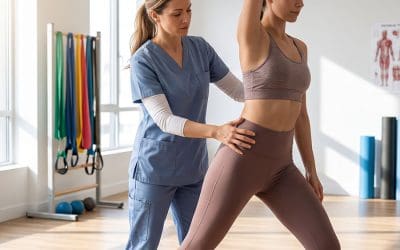
Treatment involves a holistic, whole-body approach. We don’t just look at the pelvic floor in isolation; we look at your alignment, your breathing mechanics, and how your deep core system functions as a whole.
Core Conditions & Pelvic Floor Symptoms We Treat
Pelvic health physical therapy is a highly specialized branch of orthopedics. At our Northeast Minneapolis and Coon Rapids clinics, we successfully treat a wide range of conditions, including:
-
Urinary Incontinence: We treat both stress incontinence (leaking when you run, jump, cough, or sneeze) and urge incontinence (sudden, intense urges to use the bathroom).
-
Diastasis Recti Abdominis (DRA): We use therapeutic strategies to close abdominal separation and restore core integrity.
-
Pelvic Organ Prolapse (POP): We teach pressure management and strengthening techniques to reduce the feeling of heaviness or a “bulge.”
-
Chronic Pain Syndromes: We treat persistent pelvic pain, lower back pain, hip tension, and pain during sexual activity (dyspareunia).
-
Bowel Dysfunction: We use muscle re-education to address constipation, straining, and fecal incontinence.
Can Physical Therapy Help Urinary Incontinence?
Yes, physical therapy is highly effective for treating urinary incontinence. By addressing the true root cause—whether your pelvic floor muscles are too weak to hold urine or too tight to function properly—we help stop leaks during running, jumping, and sneezing.
Antenatal Comfort & Postpartum Rehabilitation
We provide the crucial bridge from medical clearance back to full, heavy activity. Whether you are currently expecting or years into motherhood, our programs are designed for long-term performance.
Pregnancy & Labor Preparation:
-
Pelvic Girdle Pain Management: We alleviate pain in the hips, pubic bone, and sacroiliac (SI) joint using manual therapy and corrective exercises.
-
Labor Preparation: We educate you on pelvic floor relaxation techniques and optimal birthing positions to reduce the risk of severe perineal trauma.
Postpartum & Post-Surgical Rehab:
-
Customized Core Strengthening: We utilize progressive exercise programs to restore muscle strength and coordination after pregnancy or abdominal surgery.
-
Scar Tissue Mobility: We use soft tissue mobilization to treat C-section and perineal scars, addressing internal restrictions that limit core function.
-
Safe Return-to-Activity: We utilize objective testing to guide your transition back to high-impact exercise, running, or heavy lifting without triggering symptoms.
When Should I Start Pelvic Floor Therapy After Birth?
You can typically begin gentle pelvic floor physical therapy around four to six weeks postpartum, once cleared by your doctor. However, it is never too late to start; we successfully treat women experiencing postpartum core dysfunction years after giving birth.
Comprehensive, Hands-On Care in the Twin Cities
We believe your health should be a team effort. We work closely with your entire care team, including Doulas, Midwives, and Gynecologists, to ensure a coordinated approach to your wellness.
To provide the highest level of care, we utilize highly skilled, hands-on techniques, including:
-
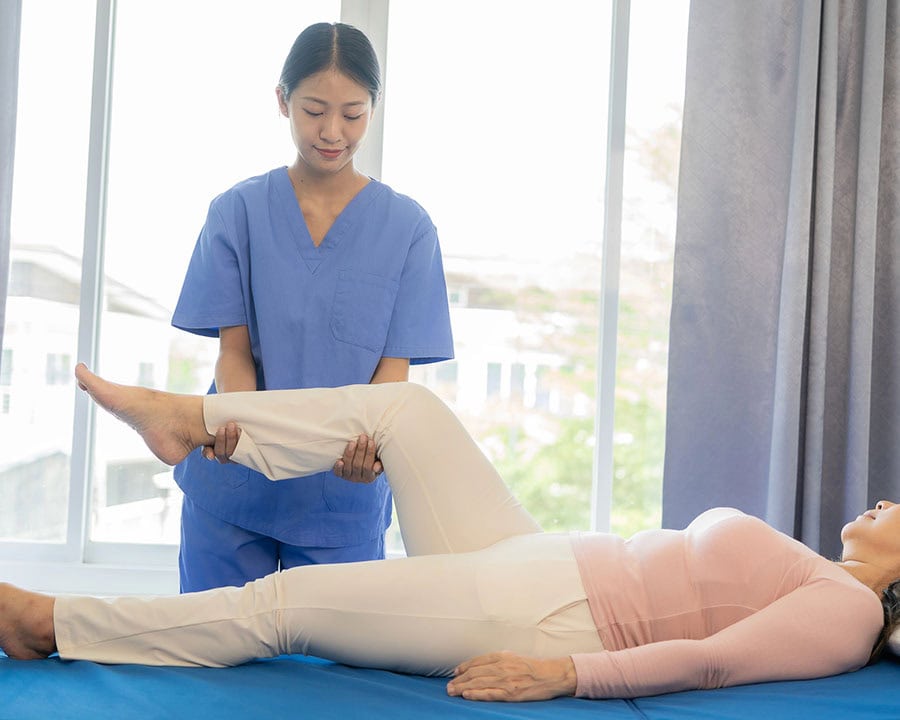
Internal and External Musculoskeletal Assessments: With your explicit consent, this is the most effective way to accurately diagnose muscle tension, weakness, and coordination issues.
-
Trigger Point & Myofascial Release: We use targeted manual techniques to alleviate deep tension in the pelvic floor, hips, and abdomen.
You deserve a focused, professional assessment to ensure a strong, supported recovery. Book a discreet, 1:1 evaluation at our Northeast Minneapolis or Coon Rapids clinics today, and let’s get you moving confidently again.

- 5 Signs Your Pelvic Floor May Need PT - October 15, 2026
- When Kegels Aren’t Working – Pelvic Floor Therapy for Active Women - October 4, 2026
- Can Shockwave Therapy Fix Chronic Back Pain? - September 28, 2026