
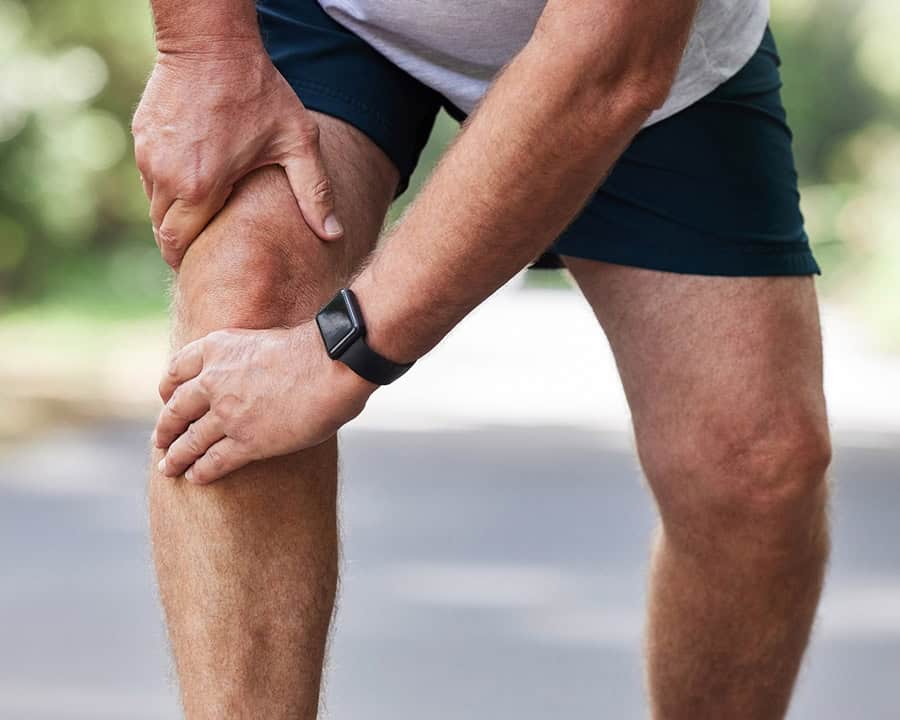
If you are an active adult or a dedicated CrossFitter, you are no stranger to pushing your physical limits. Soreness is just part of the process, a badge of honor after a heavy squat session or a brutal metabolic conditioning workout.
But there is a massive difference between the standard muscle fatigue you expect and a sharp joint pain that makes you wince.
When you experience a sudden pop, a jarring twist, or a lingering ache in your knee, the “push through it” mentality becomes dangerous. Here is how to decode what your knee is telling you and when it is time to seek professional sports injury therapy.
The Ache: Normal Soreness vs. Biomechanical Warning Signs
Delayed Onset Muscle Soreness (DOMS) typically sets in 24 to 48 hours after an intense workout. It feels like a deep, heavy stiffness in the bellies of your muscles, such as your quads or hamstrings.
DOMS should resolve on its own within a few days of active recovery, stretching, and hydration. However, an ache that centers directly inside the knee joint, under the kneecap, or sharply on the sides of the knee is not normal muscle fatigue.
If your knee aches specifically when you descend stairs, hinge for a deadlift, or land a box jump, you are likely experiencing a biomechanical issue. This kind of localized therapy knee injury requires a professional look before it forces you to the sidelines.
The Pop or Twist: Red Flags You Cannot Ignore
If your pain was accompanied by an audible sound or a sudden loss of stability, you have moved past the realm of simple soreness. These are structural red flags that require immediate clinical attention to prevent long-term damage.
Do not ignore these severe warning signs:
The Audible “Pop”: This is often associated with acute ligament damage, such as an ACL or MCL tear, usually occurring during a sudden change of direction.
The “Catching” Sensation: A feeling that your knee is locked, catching, or clicking painfully frequently points to a meniscus tear.
Rapid Swelling: If the knee balloons up within a few hours of the twist, it indicates significant internal trauma and fluid buildup.
Giving Way: A terrifying sensation that the knee simply cannot support your body weight when you attempt to step or pivot.
 Quick Answers About Knee Sports Injuries
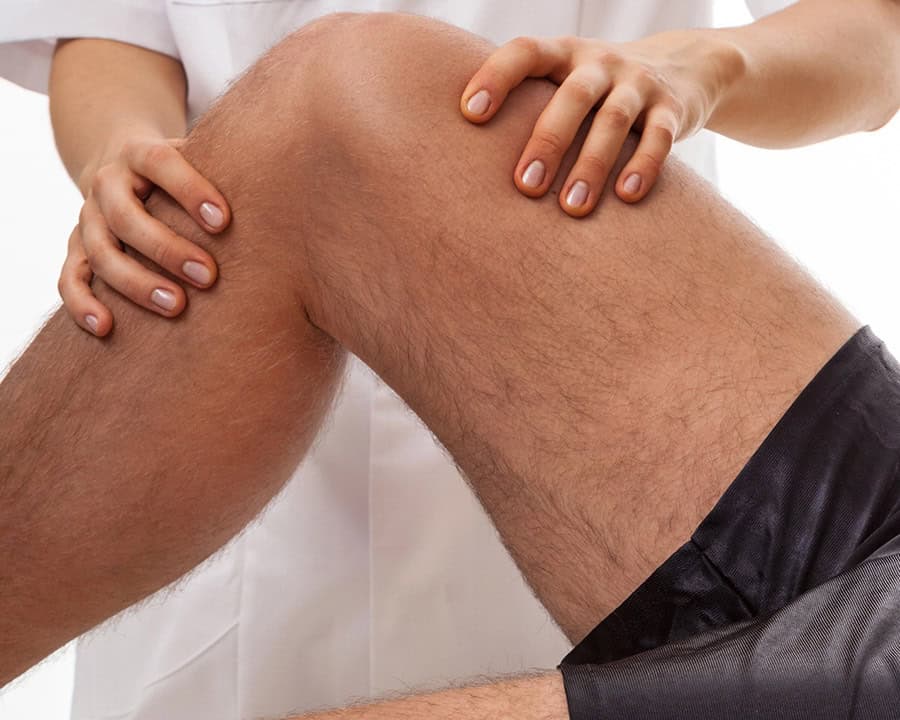 Quick Answers About Knee Sports Injuries
When should I see a physical therapist for knee pain?
You should see a physical therapist if your knee pain lasts longer than a week, causes visible swelling, or prevents you from safely bearing weight. Early clinical intervention prevents minor biomechanical imbalances from developing into severe structural damage that requires invasive surgery.
Can physical therapy heal a twisted knee?
Yes, physical therapy is highly effective for healing a twisted knee. A physical therapist will provide targeted exercises to restore joint stability, reduce localized inflammation, and rebuild the strength of the surrounding ligaments to ensure you return to your sport safely.
Stop Guessing and Start Healing
Ignoring a compromised joint forces your body to overcompensate, which quickly leads to secondary injuries in your hips and lower back. You do not have to give up your training routine or wait weeks for an MRI to start finding relief.
By working with an expert physical therapist Coon Rapids, you get an immediate, hands-on assessment of your joint mechanics. We specialize in keeping CrossFitters, runners, and active adults moving at their absolute best without relying on painkillers or prolonged rest.
Stop letting knee pain dictate what you can and cannot do in the gym. Book a comprehensive evaluation at our Coon Rapids or Northeast Minneapolis clinic today and get back to performing with confidence.

- 5 Signs Your Pelvic Floor May Need PT - October 15, 2026
- When Kegels Aren’t Working – Pelvic Floor Therapy for Active Women - October 4, 2026
- Can Shockwave Therapy Fix Chronic Back Pain? - September 28, 2026