
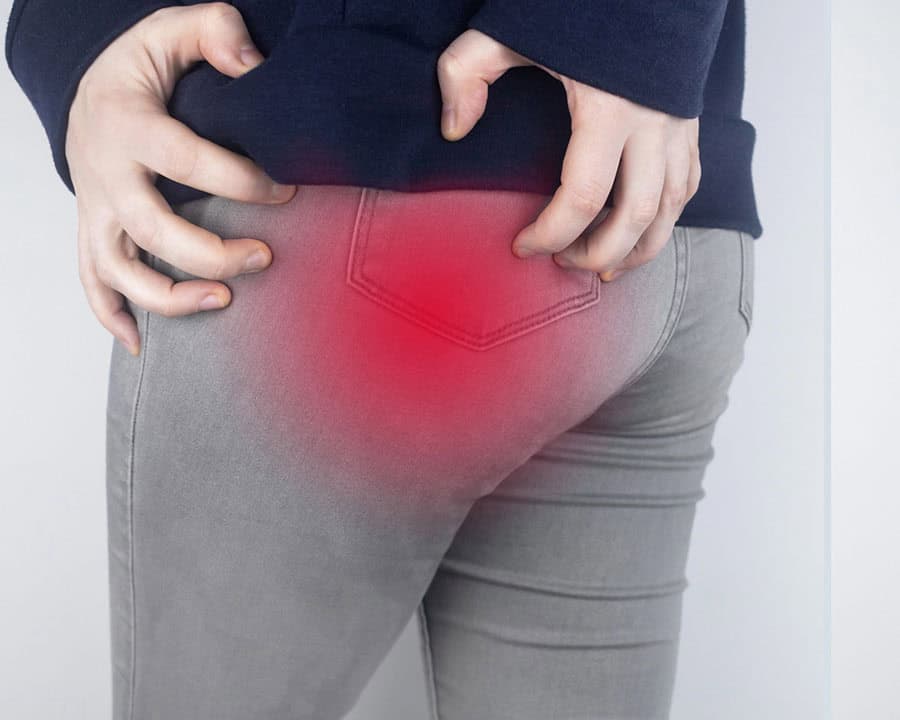
You feel a sharp, nagging ache radiating through your lower half, and suddenly every step feels like a chore. You have probably tried stretching your glutes and icing your lower back, but the discomfort refuses to let up.
The frustration peaks when you cannot even tell exactly where the injury is actually located. Is it a spinal nerve issue, or is your hip joint failing you?
Understanding where your pain travels is the ultimate key to fixing it. Here is a quick sciatica pain map and hip symptom guide to help you decode your discomfort.
Decoding the Pain: Where Does It Travel?
Signs it might be Sciatica:
The Path: Pain shoots from the lower back, travels deeply through the buttock, and trails down the back of one leg.
The Sensation: It frequently feels like a burning, electric shock, or tingling numbness that reaches past the knee into the calf or foot.
The Trigger: Symptoms usually worsen dramatically with prolonged sitting, driving, or bending forward at the waist.
Signs it might be a Hip Issue:
The Path: Pain stays localized deep in the groin, the front of the thigh, or the outside of the hip joint.
The Sensation: It typically feels like a deep, dull ache, a sharp pinch, or a mechanical “catching” sensation when bearing weight.
The Trigger: The ache usually worsens when walking, squatting, or lifting your leg to get out of a car.
How Do Physical Therapists Diagnose Sciatica vs. Hip Pain?
Physical therapists diagnose the root cause by evaluating your spinal mobility, hip joint mechanics, and nerve flexibility. We use targeted movement tests to isolate the lumbar spine from the hip joint, determining exactly which structures are compressed, restricted, or triggering your specific pain path.
It is incredibly common for a tight hip flexor to mimic a nerve issue, or for a lumbar spine problem to disguise itself as a bad hip. This is why self-diagnosing with generic stretches often makes the irritation worse and delays your recovery.
Quick Answers About Lower Body Pain
Can a tight hip cause sciatica symptoms?
Yes, a tight hip can cause sciatica-like symptoms through a condition called piriformis syndrome. When the piriformis muscle in your buttock becomes severely tight or inflamed, it physically compresses the underlying sciatic nerve, sending shooting pain down your leg even if your spine is perfectly healthy.
Will walking help relieve my hip pain?
Walking can help relieve mild stiffness, but it often aggravates structural hip pain. If you have an underlying joint restriction, cartilage wear, or a severe muscle imbalance, repetitive impact forces from walking will increase inflammation and prolong your need for professional back pain relief.
Stop Guessing and Start Healing
You do not have to navigate this confusing web of symptoms alone, and masking the ache with painkillers will not fix the mechanical root cause of your discomfort.
If you are actively searching for hip pain treatment near me or reliable back pain relief, our clinical team is ready to step in. We will map your pain, pinpoint the true source, and build a custom recovery plan to get you moving freely again.
Book an assessment at our Northeast Minneapolis physical therapy clinic today to take the first step toward lasting relief.

- 5 Signs Your Pelvic Floor May Need PT - October 15, 2026
- When Kegels Aren’t Working – Pelvic Floor Therapy for Active Women - October 4, 2026
- Can Shockwave Therapy Fix Chronic Back Pain? - September 28, 2026