

The calendar has flipped, the holiday decorations are packed away, and gyms across the Twin Cities are buzzing with energy. For many women in Northeast Minneapolis and Coon Rapids, January marks the start of a renewed commitment to fitness. Whether your goal is hitting a PR on your deadlift, joining a CrossFit box, or simply running the lakes pain-free, the “New Year, New You” motivation is a powerful force.
However, as you ramp up your intensity, you might encounter a hurdle that isn’t discussed in most fitness magazines: your pelvic floor.
If you have ever stopped mid-set because you felt a sudden leak during a box jump, or if you experience deep pelvic discomfort after a heavy squat session, you are not alone. These symptoms are often the hidden barriers that derail fitness resolutions before February even arrives.
At PRO Therapy, we want your New Year’s resolution to last. To build a truly resilient body, you need to redefine what “core strength” really means and ensure your pelvic floor is part of your training strategy.
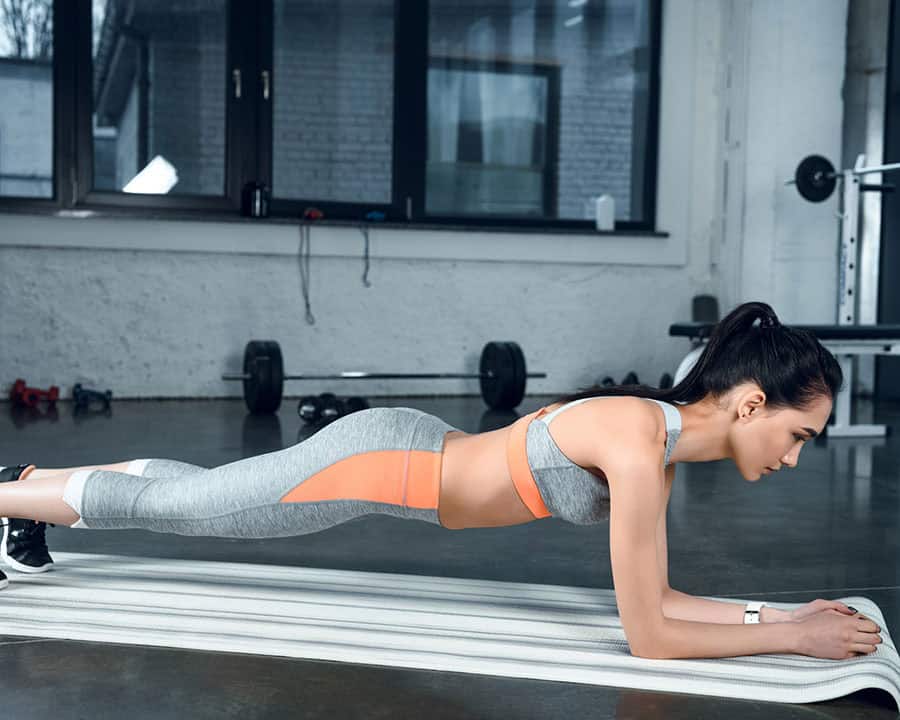 Redefining “Core Strength”: It’s More Than Six-Pack Abs
When most people hear “core strength,” they picture washboard abs and endless crunches. However, from a physical therapy perspective, your core is much more complex—and much more functional—than just the rectus abdominis (the “six-pack” muscle).
Think of your core as a pressure canister.
-
** The Top:** The Diaphragm (your breathing muscle).
-
** The Sides:** The Transverse Abdominis (the deep corset muscle).
-
** The Back:** The Multifidus (spinal stabilizers).
-
** The Bottom:** The Pelvic Floor.
For this system to work, all four parts must coordinate perfectly. When you inhale, your diaphragm should descend, and your pelvic floor should gently relax to accept pressure. When you exhale and exert effort (like lifting a weight), your pelvic floor should lift and contract to support your organs and stabilize your spine.
If you are focusing solely on crunches or planks but ignoring the “bottom” of the canister, you aren’t building true stability. You are creating a pressure imbalance that can lead to injury.
The “Leaking at the Gym” Phenomenon
One of the most common complaints we hear from active women is leaking at the gym. Clinically known as Stress Urinary Incontinence (SUI), this occurs when the internal pressure in your abdomen exceeds the strength of the urethral closure during high-impact activities.
Common triggers include:
-
Double-unders (jumping rope)
-
Box jumps
-
Running or sprinting
-
Heavy deadlifts or squats
Why is this happening to you? It is not necessarily because your muscles are “weak.” In fact, many fit women leak because they have lost the coordination between their diaphragm and their pelvic floor. If you hold your breath and bear down (push out) during a jump instead of engaging and lifting, you force massive amounts of pressure directly onto your bladder. No matter how strong your legs are, if your pressure management strategy is flawed, leaks will occur.
Ignoring this symptom and wearing a pad is a temporary fix, not a solution. Over time, unmanaged pressure can contribute to worsening incontinence or even pelvic organ prolapse.
 Weightlifting Pelvic Pain: The Hidden Risk of Heavy Lifting
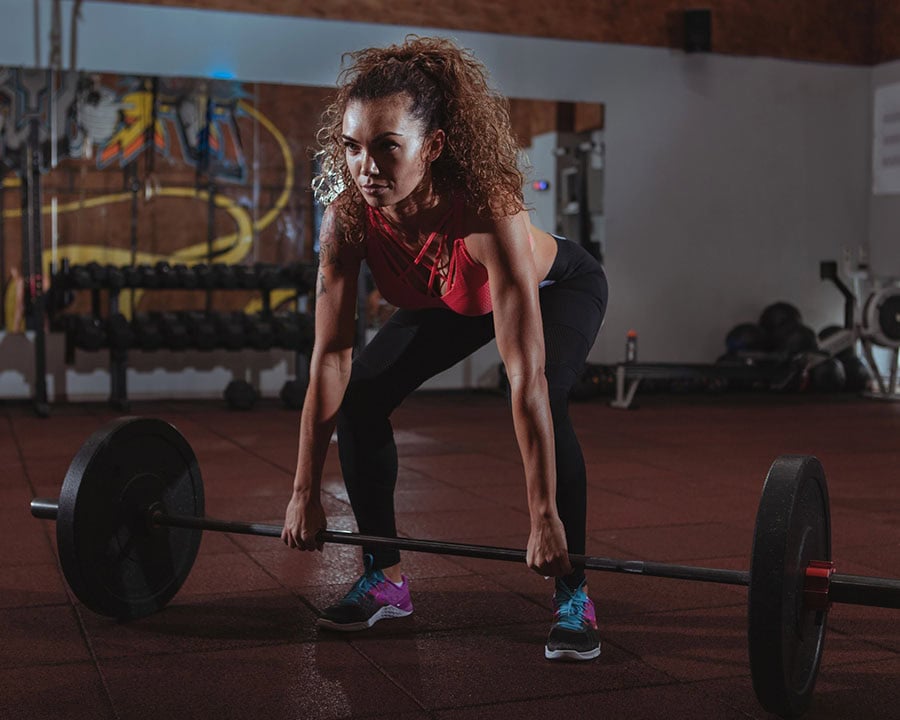 Weightlifting Pelvic Pain: The Hidden Risk of Heavy Lifting
For the women hitting the squat rack this January, weightlifting pelvic pain is another red flag that requires attention.
Lifting heavy weights requires “bracing”—creating internal pressure to protect your spine. However, there is a fine line between effective bracing and destructive straining.
If you experience heaviness, bulging, or deep aching pain in the pelvic region during or after lifting, you may be performing a “Valsalva maneuver” incorrectly. This happens when you hold your breath and push down on your pelvic floor (similar to straining for a bowel movement) rather than engaging your deep core to support the load.
Over time, this downward pressure can stretch the supportive ligaments of the bladder, uterus, and rectum. The result is not just pain, but a feeling of instability that makes it difficult to progress in your lifting goals.
Fact Check: A tight pelvic floor can also be the culprit. If your pelvic muscles are constantly clenched (hypertonic) in an attempt to create stability, they cannot absorb the shock of a heavy lift. This rigidness leads to pain and fatigue, much like a tight hamstring would hurt if you tried to sprint on it without warming up.
Do You Need a Pelvic Floor Strategy?
How do you know if your current workout routine is harming rather than helping your pelvic health? Look for these signs:
-
Leaking urine (even a few drops) during jumping, running, or lifting.
-
A sensation of heaviness or bulging in the vagina or rectum after a workout.
-
Low back or hip pain that doesn’t improve with standard stretching or massage.
-
Inability to feel your core engage during abdominal exercises (you feel it in your back instead).
-
Pain during or after inserting a tampon, or pain during intercourse.
Your PRO Therapy Strategy for a Leak-Free Year
You do not have to choose between a dry pair of leggings and a good workout. Here is how to start integrating a pelvic floor strategy into your routine:
1. Master the “Blow Before You Go” Breathing is your first line of defense. Never hold your breath and push down during exertion. Instead, try to exhale before and during the hardest part of the movement (e.g., as you stand up from a squat or as you land a jump). This exhalation naturally triggers the pelvic floor to lift and support you.
2. Stop “Gripping” Your Abs Walking around sucking in your stomach all day disrupts your core canister. It forces pressure downward and prevents your diaphragm from moving. Let your belly go when you are resting so your muscles can work dynamically when you are exercising.
3. Modify, Don’t Quit If box jumps cause leaks, you don’t have to stop exercising. Modify the movement (step-ups) or reduce the intensity while you work on your rehab. Continued leaking trains your brain that leaking is normal—we want to break that cycle.
4. Get a Professional Assessment The most effective way to stop leaking at the gym and eliminate weightlifting pelvic pain is to see a Pelvic Health Physical Therapist. At PRO Therapy, we can assess your lifting form, check for Diastasis Recti (abdominal separation), and teach you how to coordinate your pelvic floor with your fitness goals.
Start Your Year Strong in the Twin Cities
Your body is capable of incredible things. Don’t let a treatable condition limit your potential or dampen your New Year’s motivation.
Whether you are in Northeast Minneapolis or Coon Rapids, PRO Therapy is here to help you build a foundation that supports you inside and out. Let’s make this the year you stop worrying about leaks and start focusing on your gains.
Ready to build a stronger, smarter core? Contact PRO Therapy today to schedule your pelvic health evaluation.