
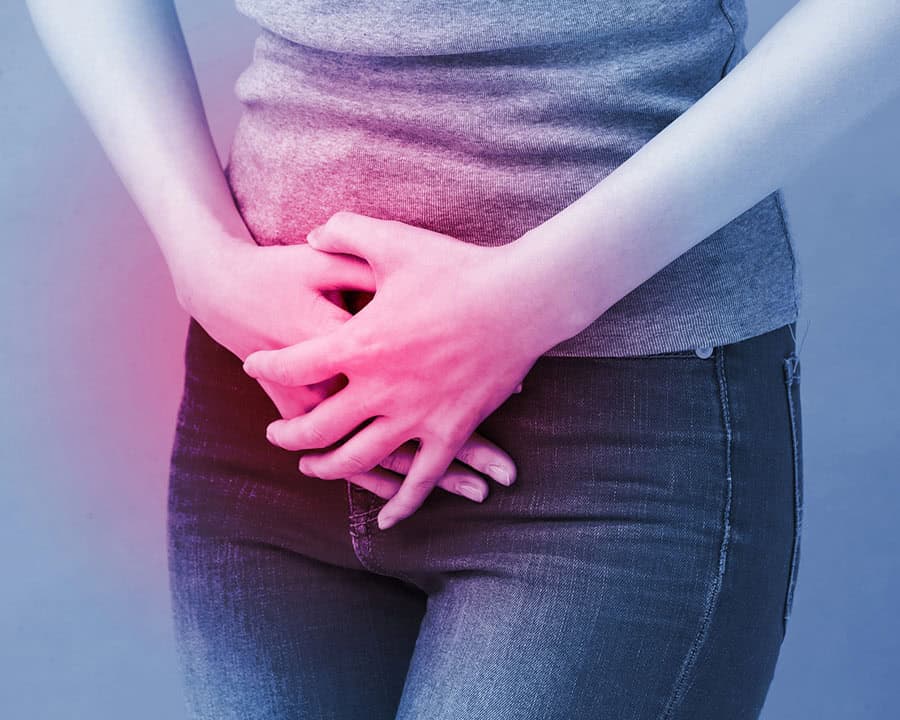
For many women, it starts with a subtle sensation. Maybe it is a feeling of “heaviness” in the pelvis after a long walk, a nagging lower back ache that won’t quit, or the startling discovery of a bulge while showering.
The medical term is Pelvic Organ Prolapse (POP), but for the women experiencing it in Northeast Minneapolis and Coon Rapids, the feeling is often one of fear and isolation. You might worry that your running days are over, or that surgery is your only option.
At PRO Therapy, we want you to know two things immediately: You are not alone, and you have options.
What is Pelvic Organ Prolapse?
Your pelvic organs (bladder, uterus, and rectum) are supported by a hammock of muscles (the pelvic floor) and connective tissue. When this support system weakens or becomes stretched—often due to pregnancy, childbirth, chronic constipation, or heavy lifting—one or more of these organs can descend into the vaginal canal.
It is incredibly common. According to the
Common Symptoms Include:
-
A sensation of heaviness or dragging in the vagina.
-
Seeing or feeling a “bulge” or “ball” at the vaginal opening.
-
Difficulty emptying your bladder or bowels completely.
-
Lower back pain that eases when you lie down.
-
Discomfort during intercourse.
The “Surgery is Inevitable” Myth
When women first Google their symptoms, they are often bombarded with information about surgical mesh and reconstruction. This can be terrifying.
While surgery is necessary in severe cases, it is rarely the first step. For mild to moderate prolapse, conservative management is highly effective. In fact, understanding the different
How PRO Therapy Supports Your Recovery
At PRO Therapy, our approach to
1. Pressure Management Strategy Prolapse is often a pressure problem. If you hold your breath and bear down when you lift a laundry basket or a barbell, you are pushing your organs downward. We teach you how to coordinate your breath with your core to lift your organs up and in during activity.
2. Strengthening the Support System We work on strengthening the pelvic floor muscles so they can provide a stiffer, more supportive “shelf” for your organs to rest on. This often significantly reduces that feeling of heaviness.
3. Lifestyle Modifications Small changes make a big difference. We help you address chronic constipation (which strains the pelvic floor) and modify your exercise routine so you can stay active without worsening your symptoms.
You Can Still Live an Active Life
A diagnosis of prolapse does not mean you have to stop lifting weights, running, or playing with your kids. It simply means you need a new strategy. We have helped countless women in the Twin Cities return to the activities they love—symptom-free.
If you have more questions about what is happening in your body, be sure to check our guide on
Don’t Let Gravity Win
If you are feeling that “heavy” sensation, don’t wait for it to go away on its own. The sooner you address prolapse, the better the outcomes.
If you are unsure if physical therapy can help your specific situation, we invite you to apply for a

- Lower Back Pain Relief: When to Stop Resting and See a Physical Therapist - March 13, 2026
- Shockwave Therapy vs. Cortisone Shots: Which is Better for Chronic Joint Pain? - March 3, 2026
- The Lady from Blaine and Her Persisted Hip Pain - February 10, 2026