You push your body hard. Whether you are training for a marathon around the Twin Cities lakes or lifting heavy in the gym, the daily grind takes a toll.
Actually, the hardest part of training isn’t the workout—it’s the recovery. You have probably noticed those circular “dark marks” on the backs of Olympic swimmers and professional runners.
You might be wondering if this is just another wellness trend. Is it just a fad, or a legitimate clinical tool to help you perform better?
What is Cupping Therapy (And How Does it Work?)
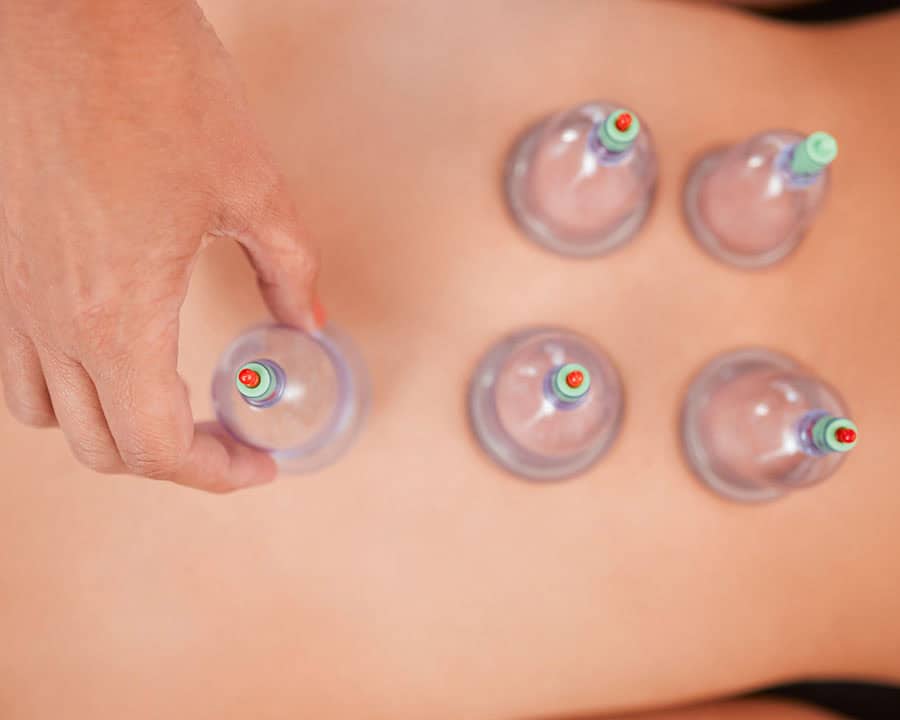
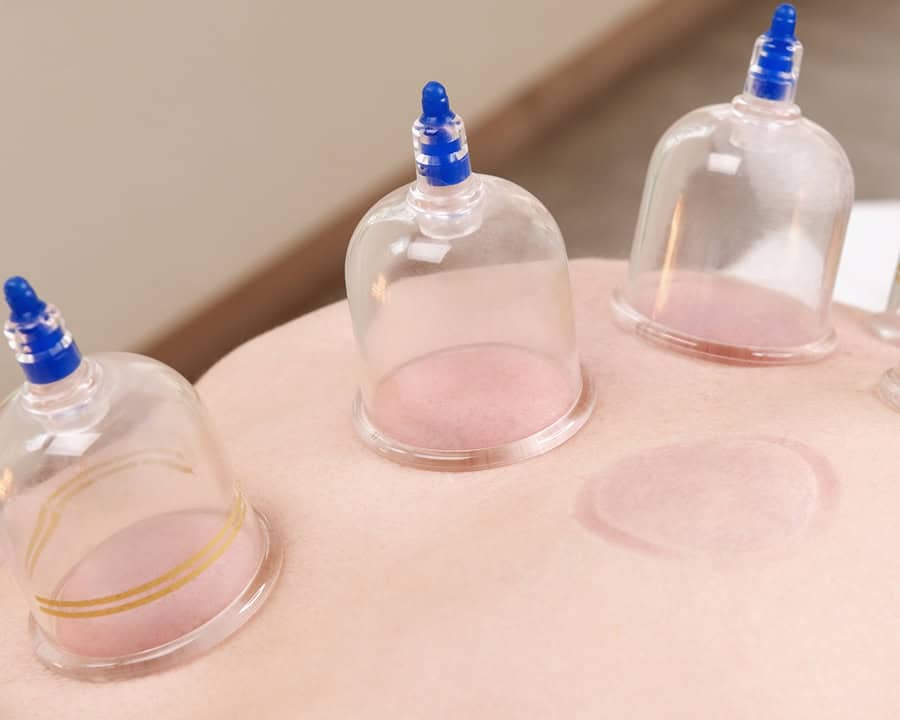
Cupping therapy, clinically known as myofascial decompression, is a soft tissue treatment that uses suction cups to lift the skin and underlying fascia. This specialized technique reduces severe muscle tension, significantly improves your mobility, and supports overall athletic recovery by stimulating localized blood flow.
Think about a traditional deep tissue massage. Massage works by compressing, or pushing down, on your tight muscles and fascia to work out the knots.
Cupping therapy does the exact opposite. It uses suction to decompress, or pull up, the restricted tissue.
This lifting action creates vital space inside the muscle layers. It allows fresh, oxygenated blood to rush into the area, effectively flushing out cellular waste and lactic acid.
 Top 3 Benefits of Cupping for Active Adults
 Top 3 Benefits of Cupping for Active Adults
If you are dealing with chronic delayed onset muscle soreness (DOMS) or hitting a recovery plateau, cupping can be a game-changer. Here is exactly why athletes swear by it:
-
Accelerated Muscle Recovery: The suction effect rapidly flushes out stagnant toxins from your tissue. It then brings fresh nutrients and oxygen to your fatigued muscles to speed up the healing timeline.
-
Targeted Pain Relief: Suction effectively decompresses tight trigger points, also known as muscle knots. This instantly relieves the severe tension that causes radiating pain down your back or legs.
-
Improved Range of Motion (ROM): Cupping physically “unsticks” your stiff fascia. When your fascia is properly mobilized, your muscles can glide smoothly, improving your mechanics and preventing future injuries.
Many active adults utilize
Quick Answers About Cupping Therapy
Does cupping therapy hurt?
No, clinical cupping should not hurt. Most patients describe it as a deep, relieving stretch or a reverse massage. While the suction feels tight initially, it quickly promotes relaxation in the muscle tissue, making it a highly tolerable and effective treatment.
Are the dark circles from cupping actually bruises?
No, they are not traditional bruises caused by blunt force trauma. The marks are stagnant blood, cellular waste, and toxins drawn to the surface of the skin to be cleared away by your lymphatic system to promote rapid tissue healing.
Should I get cupping before or after a workout?
Cupping is most effective after a heavy workout as a restorative recovery tool to reduce delayed muscle soreness. However, light cupping before a major athletic event can also be utilized to significantly improve localized blood flow and optimize your range of motion.
Taking Your Recovery to the Next Level
If you are serious about your athletic goals, you need a recovery plan that matches your intensity. Cupping is incredibly effective on its own, but the results compound when paired with advanced treatments like
By combining these techniques through
The PRO Therapy Difference
At PRO Therapy, cupping isn’t just a spa service. It is a targeted clinical treatment performed by licensed physical therapists who understand your specific athletic biomechanics.
Stop letting muscle stiffness and pain dictate your training schedule. Book a recovery assessment at our Minneapolis or Coon Rapids clinics to see how clinical cupping can elevate your performance.